
Nearly a Third of All Fatal Maryland Crashes Every Year Involve a Speeding Driver
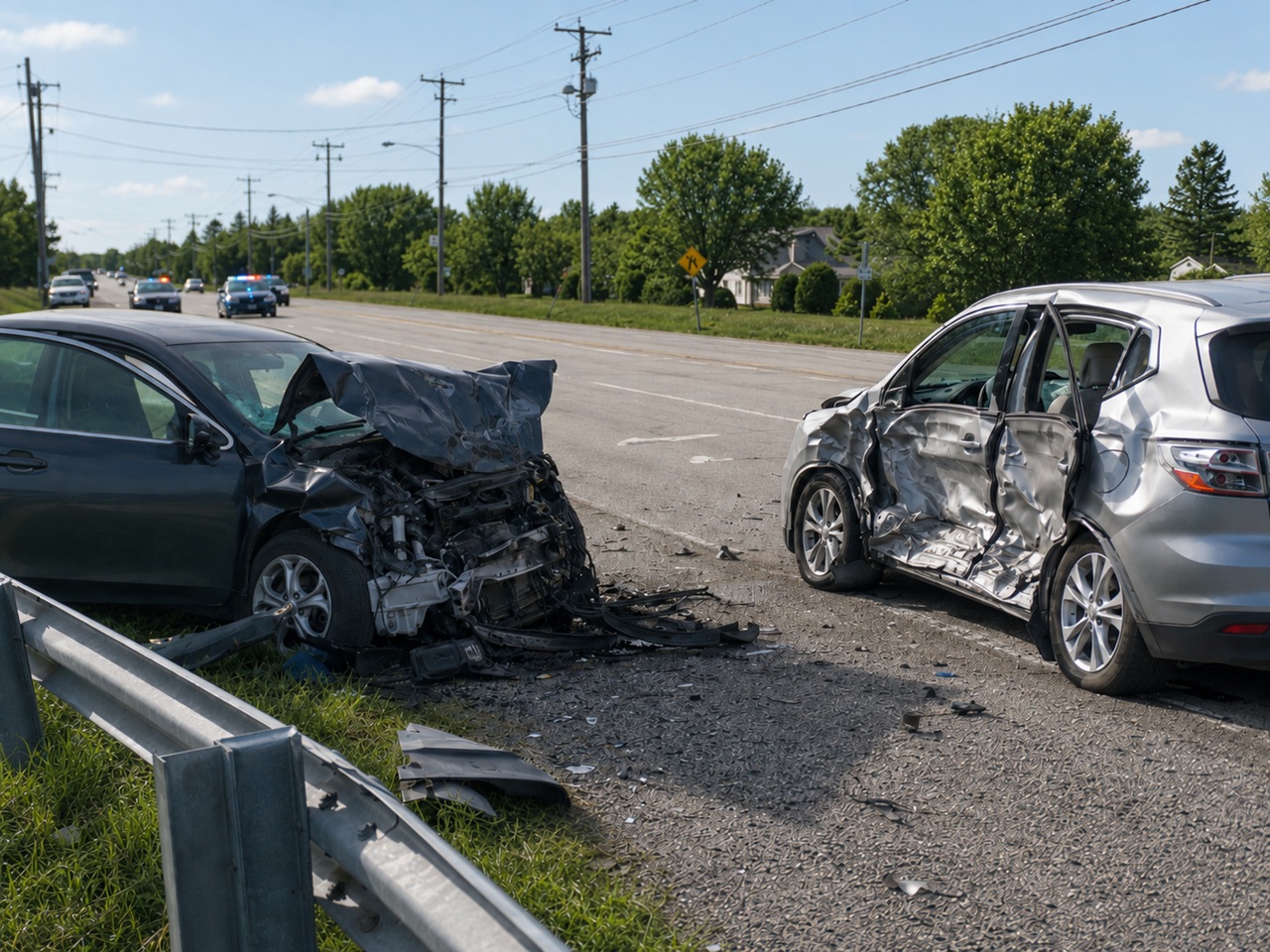
Maryland's New Safety Campaign Targets The Speed Behind Deadly Crashes
Speeding is tied to nearly one-third of fatal motor vehicle crashes in Maryland each year. When a speeding driver causes a serious car accident, the extra speed can mean less time to react, greater force at impact, and a much higher risk of catastrophic or fatal injuries.
On July 7, 2026, Gov. Wes Moore launched Maryland's new "Slow the Fast Down" highway safety campaign to reduce deaths associated with speeding. "The safety of Marylanders is my number one priority," Moore said as the state announced increased awareness and enforcement efforts.
The campaign comes after 485 people died on Maryland roads in 2025, the first year since 2014 that the state's annual traffic death total fell below 500. Even with that progress, state officials say nearly a third of fatal crashes remain tied to speeding.
At the Law Offices of Stuart L. Plotnick, LLC, our legal team helps people injured in serious crashes throughout Rockville, Montgomery County, and the surrounding region pursue claims against negligent drivers and insurance companies.
Speeding Cuts Reaction Time And Increases Crash Severity
Driving faster gives a motorist less time to recognize a hazard and respond before a collision. It also increases the distance needed to slow or stop and raises the force involved when vehicles collide.
Those risks don't disappear because a vehicle has airbags, seat belts, automatic braking, or other modern safety systems. Testing cited by Maryland officials compared crashes at 40 mph, 50 mph, and nearly 56 mph and found that higher speeds dramatically increased vehicle intrusion and the likelihood of serious injury.
Extreme speeding remains a significant enforcement problem as well. Maryland officials reported in July 2026 that law enforcement had already cited more than 4,600 motorists statewide that year for driving more than 30 miles per hour over the posted speed limit.
Evidence Can Show How Fast A Driver Was Going
A driver who caused a crash may deny speeding once an insurance claim begins. Proving excessive speed often requires combining several forms of evidence rather than relying on one person's account.
- Event Data Recorders: Many newer vehicles record information such as speed, braking, throttle position, and other data from the moments surrounding a crash.
- Crash Scene Evidence: Skid marks, debris patterns, vehicle resting positions, and the severity of damage can help investigators reconstruct what happened.
- Traffic and Surveillance Video: Intersection cameras, dashcams, doorbell cameras, and nearby business surveillance may capture the vehicle before or during impact.
- Witness Statements: Other drivers, pedestrians, passengers, and nearby witnesses may have seen a vehicle traveling unusually fast.
- Accident Reconstruction: Reconstruction professionals can use physical evidence, vehicle data, measurements, and engineering principles to estimate speed and explain the mechanics of a collision.
Some evidence can disappear quickly. Video may be overwritten, vehicles may be repaired or destroyed, and witnesses can become harder to locate. Preserving evidence early can make it much easier to establish whether speed contributed to the crash.
Maryland Law Treats Extreme Speeding As Reckless Driving
Maryland drivers have a duty to adjust their speed to actual road conditions, not simply stay below the number on a sign. Under Maryland Transportation § 21-801, a driver may not travel faster than is reasonable and prudent considering existing and potential hazards.
That means a driver can be traveling too fast for conditions even below the posted speed limit. Heavy rain, ice, traffic congestion, construction, poor visibility, pedestrians, and other hazards may require drivers to slow down.
Maryland also strengthened its reckless-driving law in 2025. Under Maryland Transportation § 21-901.1, driving at least 30 miles per hour above the posted speed limit qualifies as reckless driving. A conviction can result in up to 60 days in jail, a fine of up to $1,000, or both.
A speeding citation or reckless-driving charge doesn't automatically decide a civil injury claim. The evidence still needs to show that the driver's conduct caused the collision and resulting injuries.
Pedestrians And Cyclists Face Greater Danger At Higher Speeds
People walking or riding bicycles have almost no physical protection when they're struck by a vehicle. As speed rises, both the likelihood of a collision and the severity of the resulting injuries increase dramatically.
Maryland's 2026 safety campaign highlighted the difference. According to state officials, a pedestrian or bicyclist struck at 40 mph is eight times more likely to be killed than someone struck at 20 mph.
Vehicle speed can also become critical evidence when determining fault and reconstructing a pedestrian collision. In fatal cases, speed data can help establish what happened before impact, particularly when a driver disputes how fast they were traveling or claims the pedestrian entered the roadway too suddenly to avoid the crash.
These risks make appropriate speeds especially important near crosswalks, schools, neighborhoods, shopping areas, and other places where drivers should expect pedestrians and cyclists.
Contributory Negligence Can Put A Maryland Injury Claim At Risk
Even when the other driver was speeding, fault can still become a major issue because Maryland follows contributory negligence.
The Maryland Supreme Court reaffirmed the state's contributory negligence doctrine in Coleman v. Soccer Association of Columbia. If an injured person was also negligent and that negligence contributed to causing the accident, recovery can be barred.
That gives insurance companies a strong incentive to look for evidence they can use to shift some responsibility onto the injured person. They may question driving speed, lane position, braking, distraction, traffic signals, or statements made after the crash.
That's why evidence matters even when the other driver's speeding appears obvious. A strong claim needs to establish not only that the other motorist was speeding, but also how that conduct caused the collision.
Compensation After A Speeding Crash Can Reflect Long-Term Losses
A high-speed collision can cause traumatic brain injuries, spinal injuries, fractures, internal injuries, permanent disabilities, and other conditions that affect a person's health and ability to work for years.
Depending on the facts, compensation after a car accident may include:
- Medical Expenses: Emergency treatment, hospitalization, surgery, rehabilitation, medication, and future medical care.
- Lost Income: Wages lost during recovery and income lost because an injury limits future work.
- Pain and Suffering: Physical pain and the broader impact the injuries have on daily life.
- Property Damage: The cost of repairing or replacing a damaged vehicle and other property.
- Future Losses: Ongoing treatment, permanent limitations, reduced earning capacity, and other long-term consequences of serious injuries.
The value of a claim depends on the specific injuries, available insurance coverage, proof of fault, medical evidence, and how the crash changes the injured person's life.
A Rockville Car Accident Lawyer Can Help Preserve Evidence Of Speeding
Speeding crash claims can become contested quickly. A driver may deny traveling too fast, an insurance company may try to shift blame, and important evidence may disappear while you're still receiving medical treatment.
The legal team handling cases for the Law Offices of Stuart L. Plotnick, LLC can investigate the collision, obtain available vehicle and video evidence, work with reconstruction professionals when needed, document your losses, and deal directly with insurance companies while you focus on recovery.
If you or a family member was injured by a speeding driver, contact us to schedule a free case evaluation and learn what options may be available. We serve injured clients throughout Maryland, Virginia, and Washington, D.C.